Coffee Snob: A Designer’s Review for Real Stitching
As a designer who has spent countless hours digitizing patterns and testing them on everything from flimsy cotton to heavy denim, I approach every new machine embroidery design with a healthy dose of skepticism. We have all been there: you download a cute graphic, load it onto your machine, and watch in horror as the thread bunches up or the details vanish into a blob of satin stitch. That is why I took a close look at the Coffee Snob embroidery design before committing it to any client work or personal projects. This is not just about whether it looks good on a screen; it is about how it performs under the needle.
First Impressions and Visual Personality
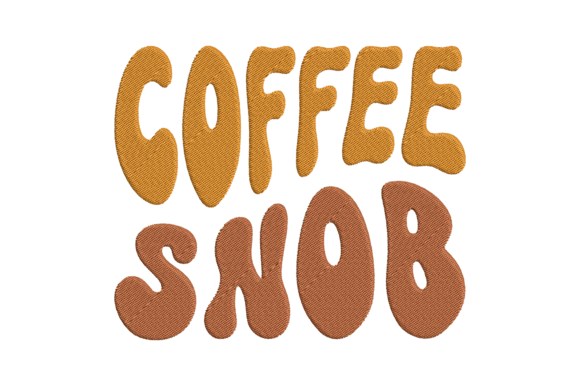
The first thing that strikes you about Coffee Snob is its attitude. It captures a specific, playful mood that resonates deeply with modern cafe culture. The layout feels balanced, avoiding the common pitfall of being too top-heavy or sprawling. For an embroidery project to succeed, the visual personality must translate well into thread. Here, the charm lies in the simplicity of the shapes combined with intricate detailing that suggests quality without demanding an hour of machine time per unit.
The design exudes a cozy, slightly witty vibe. It is the kind of imagery that makes people smile when they see it on a tote bag or a mug cozy. From a technical standpoint, the lines appear clean. There is no unnecessary clutter, which is crucial for maintaining stitching clarity. When I visualize this as a finished product, I see it working best where the theme can breathe—such as on a neutral-colored canvas tote or a minimalist sweatshirt. It does not scream for attention; rather, it invites a closer look, which is exactly what you want for a boutique-style item.
Real-World Application: The Tote Bag Test
To truly evaluate Coffee Snob, I imagined a real-life scenario: preparing a custom order for a local coffee shop owner who wanted branded merchandise. She needed something durable, stylish, and quick to produce in batches. I pictured this design centered on a heavy-weight cotton tote bag design. This is a classic use case for commercial embroidery.
In this context, the design shines. The scale seems appropriate for a standard hoop, allowing for substantial stitch coverage without overwhelming the fabric. If you are an Etsy seller or run a small shop product line, this type of versatile graphic is gold. It appeals to a broad demographic—from students to professionals—who identify with the "coffee snob" label affectionately. The design’s structure suggests it would hold up well to the tension of a large hoop, provided you use the right stabilizer. I would recommend a cut-away stabilizer for tote bags to ensure the design remains crisp even when the bag is loaded with books or groceries.
Sweatshirts and Custom Apparel
Moving beyond accessories, let us consider sweatshirt embroidery. This is where many designs fail due to fabric texture. Fleece and French terry can swallow small details. However, Coffee Snob appears to have enough boldness in its primary elements to stand out against textured fabrics. If you are creating custom apparel for a team or a family gift, this design offers a professional look that elevates the garment beyond a simple print.
When stitching on stretchy fabrics like jersey or fleece, pay close attention to your thread colors. A high-contrast choice, such as cream thread on a dark navy sweatshirt, will make the design pop. Conversely, tonal stitching can create a subtle, sophisticated look suitable for higher-end boutique branding. The key is to test the stitch density. If the design relies heavily on fill stitch areas, you might need to adjust the underlay or use a topping to prevent the stitches from sinking into the fleece.
Technical Considerations and Fabric Choices
No design is universal, and Coffee Snob is no exception. While it is versatile, there are scenarios where you should proceed with caution. For instance, if you are attempting to stitch this on thin, lightweight fabric like a silk scarf or a delicate tea towel, the density might cause puckering. In such cases, using a water-soluble topping is non-negotiable. Additionally, if the design includes fine lettering or tiny decorative accents, these may not resolve well on rough textures like burlap or loose-weave linen.
Curved surfaces present another challenge. If you plan to use this on a cap or hat, you must ensure the design fits within the curved hoop constraints. Distortion can occur if the design is too wide. I always advise checking the dimensions against your specific hoop size before purchasing or stitching. For baby embroidery items, such as onesies or bibs, ensure that the back of the stitching is covered with a soft backing, as babies have sensitive skin. The durability of the embroidery file means it will withstand washing, but comfort is paramount for infant wear.
Stitch Types and Detail Management
From a digitizing perspective, the mix of satin stitch borders and running stitch details likely defines the character of Coffee Snob. Satin stitches provide that glossy, raised look that customers associate with quality embroidery. However, they are prone to snagging if too long. A well-digitized design will break up long satin runs with tack-down stitches. If you notice any long, unsupported satin columns in your preview, consider adding manual tack-downs or adjusting the density in your software if you have the editable file.
For those interested in an applique design variation, this motif could easily be adapted. Imagine cutting out the main shape from felt or leather and stitching it down with a satin border. This reduces stitch count and adds a tactile, mixed-media element to your handmade product. It is an excellent strategy for reducing production time while increasing perceived value.
Business Value and Brand Consistency
For creative entrepreneurs, the visual appeal of a design directly impacts buyer engagement. Coffee Snob has strong giftability. It fits perfectly into categories like holiday embroidery gifts for teachers, coworkers, or friends. A personalized mug with this design stitched on a coaster set, or an apron for the home barista, creates an emotional connection. This drives customer trust and encourages repeat business.
When creating printable mockup images for your online store, ensure the lighting highlights the texture of the threads. Buyers of digital products or handmade goods want to see the depth and sheen of the embroidery. Use design assets that show the product in a lifestyle setting—perhaps next to a steaming cup of coffee—to reinforce the theme. This contextual storytelling helps justify a higher price point for your personalized gift items.
Practical Designer Notes for Success
Before you commit to a full production run, follow these practical steps to ensure success with Coffee Snob:
- Test on Scrap Fabric: Always stitch a sample on the exact fabric you intend to use. This reveals issues with tension, density, and color contrast.
- Check Thread Contrast: View your design in black and white to ensure the details remain visible without color reliance.
- Verify Hoop Size: Confirm the design dimensions fit your available hoops, especially for smaller items like patches or baby clothes.
- Inspect Small Details: Zoom in on the digital file to check for tiny elements that might break or bunch during stitching.
- Use Proper Stabilizer: Match your stabilizer to your fabric weight. Cut-away for knits, tear-away for wovens, and wash-away for delicate or textured surfaces.
- Confirm Licensing: If you plan to sell finished items or use this in digital embroidery file bundles, verify the license terms. Ensure you have commercial rights if you are an Etsy seller or craft business owner.
In conclusion, Coffee Snob is a charming and practical addition to any designer’s library. It balances whimsy with technical feasibility, making it suitable for a wide range of applications from embroidered patch collections to high-end custom apparel. By respecting the material constraints and preparing your workspace correctly, you can transform this digital asset into a tangible, high-quality product that delights customers and enhances your brand reputation. Whether you are decorating your home or building a inventory for your shop, this design offers the adorable charm and intricate detail needed to stand out in a crowded market.