Cute Christmas Gnome: A Designer’s Real-World Review
As a designer who spends more time staring at stitch simulations than I care to admit, I have learned that not every machine embroidery design looks as good on fabric as it does on a screen. The Cute Christmas Gnome caught my eye recently, promising a touch of whimsy for holiday projects. But before I commit any thread to fabric or promise a client a finished product, I need to know how it actually performs. This review breaks down the practical realities of using this design in real-world embroidery scenarios, from small shop merchandise to personalized gifts.
First Impressions: Whimsy Meets Structure
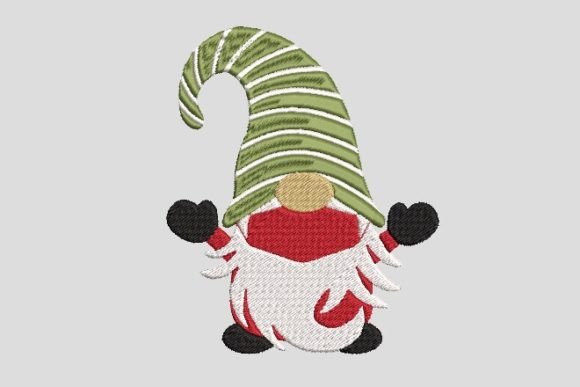
The immediate appeal of the Cute Christmas Gnome is its personality. It avoids the stiff, overly symmetrical look that plagues many budget-friendly digital files. Instead, it offers a relaxed, charming aesthetic that feels handmade even before the needle hits the cloth. The layout suggests a balanced use of space, which is critical when working with smaller hoop sizes. For embroidery designers and crafters, this visual balance means less guesswork when positioning the design on curved surfaces like caps or narrow items like tea towels.
The mood is undeniably festive but not overpowering. This makes it versatile. It does not scream "holiday" so loudly that the item becomes unusable after December 25th. This longevity is a key selling point for Etsy sellers and boutique owners who want their customers to get value from their purchases year-round. The gnome’s character adds a layer of warmth that translates well into home decor and apparel alike.
Real-World Application: From Totes to Towels
To truly test the viability of this design, I imagined several common production scenarios. Let’s start with a custom embroidered tote bag. Canvas is a sturdy fabric, but it has a distinct texture. The Cute Christmas Gnome needs enough detail to stand out against the weave without getting lost. In this context, the design’s line work and fill areas appear robust enough to maintain clarity. For a sweatshirt embroidery project, the stakes are higher. Fleece and cotton blends can distort if the stitch density is too high or if the stabilizer is inadequate. This design seems suited for medium-weight fabrics, provided you use a cut-away stabilizer to prevent puckering.
Consider baby embroidery items, such as a burp cloth or a onesie. Here, softness and safety are paramount. The design should not feel stiff or scratchy against sensitive skin. If the Cute Christmas Gnome relies heavily on dense satin stitches, it might create a rigid patch on a soft garment. However, if it utilizes a mix of running stitches and lighter fills, it could be perfect for nursery decor or baby gifts. Always check the stitch types in your software before stitching on delicate materials.
For kitchen textiles, such as aprons or dish towels, the design adds a playful accent. Holiday embroidery often ends up on items that see frequent washing. The durability of the finished product depends on proper thread tension and quality threads. A well-stitched gnome can become a cherished family heirloom, passed down through seasons of baking and gathering.
Navigating Technical Challenges
While the aesthetic is strong, practical execution requires attention to detail. One area where many designs fail is on dark fabrics. If the Cute Christmas Gnome includes small, intricate details or thin lettering, these can disappear against black or navy backgrounds. I recommend testing the design on scrap fabric first, specifically in high-contrast color combinations. Check thread color contrast carefully; a white beard on a red hat is classic, but ensure the transition between colors is clean and not messy.
Curved surfaces present another challenge. Embroidering on a cap or a rounded pillow cover requires careful hooping. The design’s footprint must fit comfortably within your hoop size without encroaching on the edges. If the design is too wide, it may distort when stretched over a curve. Review the dimensions of the embroidery file to ensure it matches your equipment capabilities. For textured fabrics like terry cloth towels, a topping stabilizer is essential to keep the stitches from sinking into the pile. Without it, the cute features of the gnome might look muddy or undefined.
Dense stitch areas can also cause issues with stretchy fabrics. If the design has large blocks of solid color, it may pull the fabric out of shape. In such cases, consider using a lighter weight fabric or adjusting the stitch density in your editing software if you have the skills. For most users, sticking to stable woven fabrics like cotton or linen will yield the best results with this type of character design.
Enhancing Product Value and Brand Consistency
For small business owners and creative entrepreneurs, the choice of design directly impacts brand perception. The Cute Christmas Gnome exudes professionalism and charm, which can elevate the perceived value of your handmade product. Customers are drawn to items that look thoughtful and well-crafted. A clean, crisp embroidery job signals quality, building trust and encouraging repeat business.
When creating printable mockups or digital product previews, this design offers strong visual appeal. It photographs well, which is crucial for online listings on platforms like Etsy. The whimsical nature of the gnome invites engagement, making it an excellent choice for social media content. Whether you are selling finished products or digital embroidery files, the presentation matters. Ensure that your photos highlight the texture and depth of the stitches to give buyers a realistic expectation of the finished product.
Practical Notes for Designers and Makers
Before you launch into a large production run, take these practical steps:
- Test on Scrap Fabric: Never skip this step. Use the same fabric and stabilizer combination you plan to use for the final product.
- Check Stitch Density: Look at the color block simulation in your software. Are there areas that look too crowded? Adjust if necessary.
- Confirm Hoop Size: Ensure the design fits your hoop with adequate margin for clamping.
- Inspect Small Details: Zoom in on the eyes, buttons, or hat tips. Are they clear? Will they stitch out cleanly?
- Review Licensing: If you plan to sell items made with this design, confirm the license terms. Some digital embroidery files allow commercial use for finished goods, while others do not. Always respect intellectual property rights.
- Use Proper Stabilizer: Match the stabilizer to the fabric. Cut-away for knits, tear-away for wovens, and wash-away for delicate or sheer fabrics.
In conclusion, the Cute Christmas Gnome is a promising addition to any holiday embroidery collection. Its charm and versatility make it suitable for a wide range of projects, from custom apparel to home decor. By paying attention to technical details and testing thoroughly, you can ensure that your finished products meet the high standards your customers expect. Whether you are an experienced designer or a hobbyist looking to add a festive touch to your crafts, this design offers a delightful blend of whimsy and professional potential.