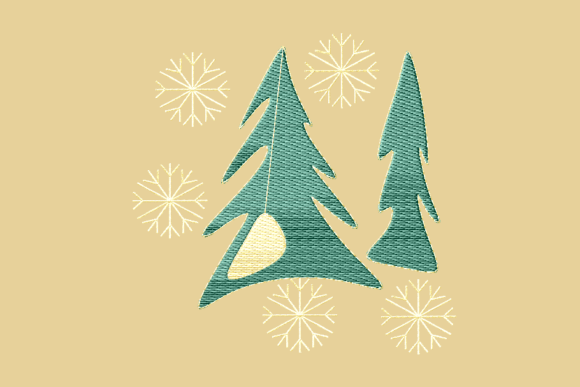
Pine Trees and Snow: A Designer’s Review
As an embroidery designer who has spent years digitizing files for small businesses, I approach every new machine embroidery design with a critical eye. It is not just about whether the artwork looks pretty on a screen; it is about how it performs under the needle, how it holds up after fifty washes, and most importantly, how it elevates a brand. Recently, I reviewed the Pine Trees and Snow design, and I want to share my professional assessment for fellow decorators, Etsy sellers, and boutique owners looking to expand their winter merchandise.
First Impressions and Visual Personality
The first thing that strikes me about Pine Trees and Snow is its versatility. The product description notes that it stitches out with a beautiful satin stitch, which immediately signals a premium finish. Satin stitches are known for their smooth, glossy texture that catches the light, giving the final product a high-end feel. While the theme suggests a cozy, rustic vibe perfect for the fall and winter seasons, the execution allows it to bridge the gap between vintage charm and modern minimalism.
For a small business owner, this duality is invaluable. You are not locked into a single aesthetic. If you run a heritage-style bakery, this design complements your rustic branding. If you operate a modern creative studio, the clean lines of the pine trees can serve as a subtle, elegant accent. The design feels professional yet approachable, striking a balance that builds customer trust without appearing overly corporate or stiff.
Real-World Applications for Small Business Merch
When evaluating a digital embroidery file for commercial use, I always ask: where does this live on the product? Pine Trees and Snow is surprisingly adaptable across various apparel and accessory categories.
- Embroidered Patches: This is perhaps the strongest use case. The satin stitch definition makes it ideal for iron-on or sew-on patches. You can produce these in bulk and attach them to jackets, beanies, or tote bags as limited-edition drops.
- Custom Apparel and Uniforms: For cafés or boutiques with staff uniforms, this design works beautifully as a chest logo accent or a sleeve detail. It adds a touch of seasonal warmth to standard work shirts or aprons without overwhelming the garment.
- Cap Embroidery: Pine motifs are classic on headwear. However, curved surfaces require careful digitizing. If the design is scaled correctly, it sits well on the front panel of a dad hat or beanie, offering a subtle nod to nature.
- Tote Bag Design: Canvas bags are a staple for handmade brands. Placing this design on a neutral-toned tote creates a chic, eco-friendly accessory that customers love to reuse, effectively turning them into walking billboards for your brand.
The description specifically suggests trying it on T-shirt designs. I agree, but with a caveat. T-shirts require lightweight stabilizers and careful tension settings to prevent puckering. When done right, the contrast of the white snow against a dark tee creates a striking visual that drives engagement on social media.
Technical Considerations and Production Notes
While the aesthetic appeal is strong, the technical execution determines whether a design becomes a bestseller or a return nightmare. Here are my practical notes for production:
- Check Stitch Density: Satin stitches can be dense. If you are embroidering on lightweight fabrics like thin cotton tees, ensure the density is not too high, or the fabric will pucker. Always test on scrap fabric first.
- Stabilizer Selection: For items that need frequent washing, such as aprons or uniforms, use a cut-away stabilizer. This ensures the Pine Trees and Snow design remains stable and does not distort over time.
- Thread Color Contrast: The beauty of this design lies in the contrast between the trees and the snow. Test different thread combinations. Classic white on green is safe, but consider metallic threads for the snow to add a luxury feel for holiday collections.
- Hoop Size and Placement: Confirm the hoop size required before purchasing. If you plan to use this on small patches or cap fronts, ensure the design scales down without losing detail. Tiny details can get lost if the design is reduced too much.
- Fabric Texture: Textured fabrics like fleece or wool coats handle satin stitches well, hiding minor imperfections. Smooth fabrics like polyester blends show every stitch, so precision is key.
It is crucial to note that the product description does not specify exact stitch counts, file formats, or license terms. Before integrating this into your commercial embroidery workflow, verify that the file format matches your machine (PES, DST, JEF, etc.) and confirm the commercial licensing rights. Never assume a file is free for resale without explicit permission.
Impact on Brand Identity and Customer Perception
In the world of handmade products and small business merch, consistency is king. Pine Trees and Snow can serve as a powerful tool for reinforcing brand identity. If your brand values sustainability, nature, or coziness, this design acts as a visual shorthand for those values.
Using high-quality embroidery rather than printed graphics elevates the perceived value of your product. Customers associate embroidered logos with durability and craftsmanship. When a customer receives a tote bag or apron with this detailed satin stitch work, they perceive it as a premium item, justifying a higher price point. This enhances buyer engagement and encourages repeat purchases, as the physical quality of the merchandise reflects the quality of your brand.
Furthermore, creating a printable mockup or digital preview of this design on various products allows you to gauge customer interest before committing to large production runs. Use these assets in your email newsletters and social media campaigns to build anticipation for your winter collection.
Where to Use Caution
No design is perfect for every application. I advise caution when using Pine Trees and Snow on very small patch sizes where intricate satin columns might merge. Additionally, avoid placing it on areas of high friction, such as the cuffs of sleeves, unless reinforced properly. Dark uniforms can sometimes make dark green threads disappear, so ensure you choose thread colors that pop against the background fabric.
Also, be mindful of the seasonality. While the description mentions making your fall season special, the snow element firmly plants this in the winter category. Plan your inventory accordingly. Push this design heavily from November through February, then rotate it out to keep your offerings fresh.
Final Verdict for Designers and Makers
Pine Trees and Snow is a solid addition to any embroidery designer’s library, particularly for those targeting the lifestyle, outdoor, or cozy home goods markets. Its strength lies in its adaptability and the premium look of the satin stitch finish. For small business owners, it offers a low-risk, high-reward way to add seasonal flair to existing product lines.
Remember to treat this as a professional asset. Test it rigorously, respect the technical limitations of your machinery, and leverage it to tell your brand’s story. Whether you are stitching it onto a barista’s apron or a customer’s favorite beanie, this design has the potential to become a signature element of your winter merchandise strategy. Always prioritize quality control, check your design assets for compatibility, and watch how this simple pine motif transforms your finished product into something truly special.