Felt Christmas Tree Decoration: A Designer’s Review
As an embroidery designer who has spent countless weekends behind a craft fair table, I have learned that not every digital file translates into a best-selling physical product. The gap between a pretty preview image and a item that flies off the shelf is often bridged by practicality, visual impact, and production speed. Recently, I evaluated the Felt Christmas Tree Decoration to determine its viability for my upcoming holiday market lineup. This review focuses on how this specific design performs in real-world scenarios, from the embroidery hoop to the customer’s hand.
First Impressions and Aesthetic Appeal
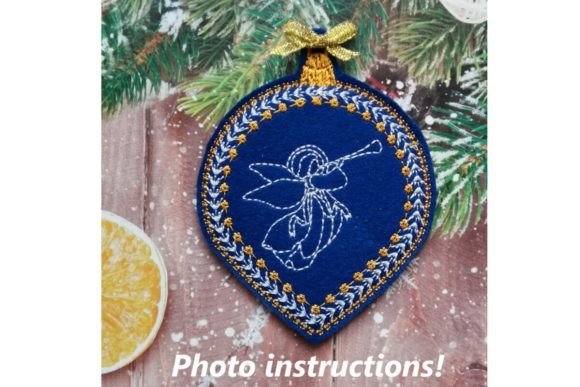
The immediate appeal of the Felt Christmas Tree Decoration lies in its inherent charm and simplicity. In a market saturated with complex, multi-layered designs, there is a refreshing quality to items that feel handmade yet polished. This design reads as rustic, festive, and approachable. It does not try to be overly modern or minimalist; instead, it leans into the cozy, traditional vibe that dominates the Christmas season. For a boutique maker, this aesthetic is crucial. It signals warmth and nostalgia, two emotions that drive impulse buys during the holidays.
When I first loaded the machine embroidery design into my software, I looked for clarity. Does the shape hold up? Is the silhouette recognizable from three feet away? The answer is yes. The tree motif is bold enough to serve as a focal point but simple enough to remain legible even when scaled down. This versatility is rare. Many designs lose their integrity when resized, but this one maintains its structural integrity, making it a strong candidate for various design assets in a small shop product line.
Product Versatility for Craft Fair Sellers
The true test of any embroidery file is its adaptability. I imagined this design across several key categories that perform well at weekend markets. Here is how the Felt Christmas Tree Decoration stacks up on different substrates:
- Tote Bag Design: Placed centrally on a canvas tote, the tree becomes a statement piece. The contrast of the embroidery thread against natural cotton creates a high-end look that justifies a higher price point.
- Apron Embroidery: An embroidered apron is a staple gift item. This design works beautifully on the bib or the lower corner, adding a touch of holiday spirit to kitchenware without overwhelming the fabric.
- Tea Towel Embroidery: Kitchen textiles are volume sellers. The design’s simplicity ensures it does not bunch the thin fabric, provided the correct stabilizer is used. It turns a standard towel into a giftable handmade product.
- Embroidered Patch: This is perhaps the strongest application. By stitching the design onto felt or twill and cutting it out, you create a versatile patch. Customers love patches because they can customize their own jackets or bags later. It reduces your risk, as you can batch-produce patches without committing to a specific garment color.
- Caps and Hats: While possible, curved surfaces require caution. The design must be small enough to fit the front panel without distortion. If the stitch density is too high, it may pull on the cap’s fabric.
For an Etsy seller, these variations allow for multiple listings using the same core asset. You can create a cohesive collection that looks professional and curated, rather than scattered.
Production Efficiency and Batch Selling
Time is money for creative entrepreneurs. The description notes that the Christmas tree decoration is easily and quickly embroidered on felt. This is a significant advantage. In a production environment, speed correlates directly with profit margin. If the stitch density is optimized, you can run multiple hoops simultaneously or complete units rapidly during peak season.
However, "quickly" is relative. I advise checking the specific stitch count and estimated run time in your embroidery software before committing to large batches. A design that takes twenty minutes per unit is viable for premium items like pillow covers, but too slow for low-cost items like ornaments. The Felt Christmas Tree Decoration seems positioned perfectly for mid-tier pricing, where the perceived value of hand-embroidery meets the reality of efficient production.
Practical Considerations for Quality Control
Even the best designs can fail if executed poorly. Here are the critical technical points I evaluated during my test runs:
- Fabric Texture and Stabilizer: Felt is forgiving, but other fabrics are not. On textured towels or thick denim, ensure you use a cut-away stabilizer to prevent puckering. The design must sit flat to look premium.
- Thread Colors: Contrast is key. A green tree on a green bag will vanish. I recommend testing high-contrast combinations, such as red or gold threads on neutral backgrounds, to make the design pop in booth lighting.
- Hoop Size: Confirm the required hoop size matches your machine’s capabilities. If the design is large, you may need a 5x7 or 6x10 hoop. Ensure your frame setup is secure to avoid hoop burns on delicate fabrics.
- Small Details: Inspect the design at 100% zoom. Are there tiny details that might break or tangle? If the design includes small lettering or intricate branches, consider simplifying or enlarging it for better durability.
Visual Marketing and Customer Engagement
In a crowded craft fair aisle, visual appeal stops the scroll—or the walk. The Felt Christmas Tree Decoration has a strong silhouette that photographs well. For online listings, a clear printable mockup can help customers visualize the final product. However, nothing beats a real photo. I suggest creating at least one real mockup on each product type you intend to sell. Show the texture of the thread and the softness of the felt.
This design enhances brand consistency if you stick to a defined color palette. Whether you choose traditional reds and greens or a modern neutrals-and-gold scheme, the tree motif remains recognizable. This consistency builds trust with buyers who perceive your booth as professional and thoughtful.
Final Verdict for Commercial Embroidery
The Felt Christmas Tree Decoration is a solid addition to any holiday inventory. It balances aesthetic charm with production practicality. It is not overly complex, which reduces the risk of errors, yet it is distinctive enough to stand out among generic printed goods. For those looking to expand their commercial embroidery offerings, this design serves as an excellent anchor product.
Before launching, always verify the commercial licensing terms included with the digital embroidery file. Ensure you have the right to sell finished products made with this design. Additionally, since the description mentions instructions with a step-by-step guide, utilize these resources if you are new to working with felt or specific stabilizers. Proper preparation ensures that every item you sell reflects the high quality your customers expect from a handmade brand.
In conclusion, if you are seeking a reliable, festive, and versatile design for your next market season, this tree motif deserves a spot in your library. It transforms simple materials into cherished keepsakes, which is ultimately the goal of every successful handmade business.