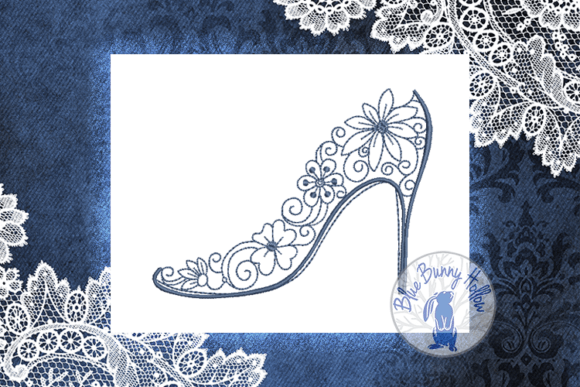
Enchanted Stiletto 1: A Designer’s Craft Fair Review
As an embroidery designer who has spent countless weekends behind a craft fair table, I know that not every design translates from the screen to the sales floor. We often get caught up in the technical perfection of a machine embroidery design, forgetting the most critical question: will it stop a shopper in their tracks? Today, I am reviewing Enchanted Stiletto 1, a piece that promises to marry elegance with fast stitching. After testing it on various substrates and visualizing it within a busy booth display, I have formed a clear opinion on its potential for handmade market products.
First Impressions: Elegance Meets Efficiency
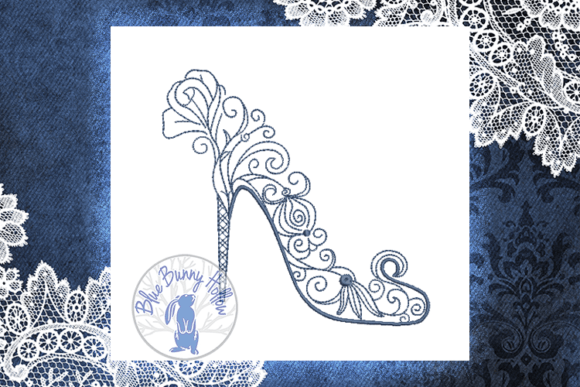
The first thing that strikes me about Enchanted Stiletto 1 is its aesthetic balance. The description highlights a "bluework like" quality, which immediately suggests a monochromatic or limited palette approach. In the world of Embroidery, bluework traditionally relies on a single thread color to create depth through stitch variation. This design appears to capture that sophisticated, classic vibe while maintaining a modern edge. It does not scream "rustic" or "funny"; instead, it feels premium, decorative, and intentionally minimal.
For a craft fair seller, this mood is crucial. Shoppers are often overwhelmed by loud, multi-colored designs. A piece that exudes calm elegance can serve as a visual palate cleanser in a busy booth. The title itself, referencing a stiletto, hints at sharpness and precision. When I loaded the file, the lines were clean, suggesting that this is not a dense, heavy fill but rather a design that relies on outline and texture. This makes it an excellent candidate for sellers who need to produce inventory quickly without sacrificing perceived value.
Product Versatility for the Weekend Market
The true test of any digital embroidery file is its versatility. Can it survive on a curved cap? Does it get lost on a textured towel? I evaluated Enchanted Stiletto 1 across several common Accessories and home goods to determine where it shines brightest.
- Tote Bags and Market Bags: This is arguably the strongest application. A large-scale placement on a canvas tote allows the "bluework" style to breathe. The elegant lines stand out against natural cotton, creating a chic, boutique feel. As a tote bag design, it appeals to customers looking for everyday luxury.
- Aprons and Tea Towels: For kitchen textiles, the design works well as a focal point. However, caution is needed with tea towel embroidery. If the towel has a waffle weave or heavy texture, the finer details might sink in. I recommend using a smooth linen or flat-weave cotton for the best result. As an apron embroidery accent, placed on the bib or pocket, it adds a touch of professionalism to handmade kitchenware.
- Caps and Hats: Curved surfaces are tricky. Because this design marries elegance with fast stitching, it likely has moderate stitch density. This is good for caps, as high density can cause puckering. However, ensure the design width fits comfortably within the front panel without wrapping too far around the curve.
- Patches and Pouches: If scaled down, does it lose clarity? Bluework styles often rely on line weight. If Enchanted Stiletto 1 has very thin satin stitches, it may not work as a small embroidered patch unless backed heavily. For fabric pouches, it serves as a lovely central motif, elevating a simple zippered bag into a giftable item.
Production Realities for the Small Shop Owner
For Etsy seller accounts and boutique makers, time is money. The description mentions "fast stitching," which is a significant selling point for batch production. If you are preparing for a holiday market, you need designs that run quickly so you can fulfill orders or restock booths efficiently. Enchanted Stiletto 1 seems designed with this practicality in mind.
However, speed should not compromise quality. When running this as a commercial embroidery product, pay close attention to your stabilizer choice. Even with lower density, elegant designs require crisp edges. Use a cut-away stabilizer for stretchy fabrics like t-shirts or jersey tote bags, and a tear-away for stable woven cottons. The goal is to maintain the integrity of the lines so the design looks intentional, not sloppy.
Photography is another critical factor. This design’s elegance translates beautifully to printable mockup assets for online listings. Because it is likely monochromatic or low-color, it photographs well in black and white or muted tones, which are trending in social media marketing. Ensure you capture the texture of the thread against the fabric to highlight the "bluework" effect in your design assets.
Careful-Use Notes and Technical Considerations
While Enchanted Stiletto 1 is promising, there are pitfalls to avoid. Always check the specific file details before hooping. Since the exact hoop size and stitch count are not provided in the brief description, you must verify these in the download package. Do not assume it fits a 4x4 hoop if it was designed for a 5x7.
Consider the following technical adjustments:
- Fabric Texture: Avoid highly textured fabrics like bouclé or thick terry cloth. The fine details of a bluework-style design will get lost. Stick to smooth cottons, linens, or polished blends.
- Thread Contrast: To maximize the "enchanted" feel, choose thread colors that contrast subtly but distinctly with the fabric. A navy thread on a light blue fabric creates a tonal look, while white on navy creates a stark, classic contrast.
- Scaling Limits: Test the design at its smallest intended size. If the lines become too thin to stitch cleanly, do not use it for small items like coin purses. It is better suited as a medium-to-large focal design.
- Dark Fabrics: If stitching on dark fabric, ensure the design does not have excessive jump stitches that might show as loose threads. Trim carefully to maintain the premium look.
Enhancing Brand Consistency and Buyer Engagement
Incorporating Enchanted Stiletto 1 into your lineup can strengthen your brand identity. If your shop focuses on elegant, timeless goods, this design reinforces that message. It signals to the buyer that you value sophistication and quality. When displayed in a booth, group items featuring this design together to create a cohesive collection. This visual consistency helps buyers visualize how different products, such as a matching tote and apron, look together, potentially increasing average order value.
Furthermore, this design invites engagement. Customers often ask about the technique when they see bluework-inspired pieces. It provides an opportunity to educate them on the craftsmanship involved, adding perceived value to the finished product. Explain that while it stitches fast, the artistic effect is rooted in traditional techniques, bridging the gap between modern efficiency and heritage craft.
Final Verdict for the Craft Fair Seller
Before you commit to a large batch, always test the design on scrap fabric identical to your final product. Check the tension, review the spacing, and inspect the back for excessive bulk. Confirm that you have the appropriate commercial license for the digital embroidery file if you plan to sell the physical items. Most designers allow finished product sales, but it is essential to read the terms.
Enchanted Stiletto 1 is a strong contender for sellers looking to add a touch of refined elegance to their handmade product offerings. It is versatile enough for various craft fair product categories, from home décor to wearable accessories. By respecting its technical needs and leveraging its aesthetic appeal, you can create items that not only sell but also enhance your reputation as a thoughtful, skilled creator. Whether you are updating your Etsy shop or prepping for a local market, this design offers a blend of beauty and practicality that is hard to ignore.