Wine Tasting 3: A Designer’s Review for Custom Gifts
As an embroidery designer who spends countless hours digitizing and testing patterns, I approach every new machine embroidery design with a critical eye. It is not just about whether the pattern looks good on a screen; it is about how it performs under the needle, how it feels to the touch, and ultimately, how it resonates with the person receiving the finished item. Recently, I had the opportunity to test Wine Tasting 3, a linework design that promises to capture the essence of wine culture. For those of us running small shops or selling on platforms like Etsy, finding designs that balance elegance with technical reliability is crucial. Here is my practical review of this intricate masterpiece from the perspective of someone preparing it for real customer orders.
First Impressions: Elegance in Linework
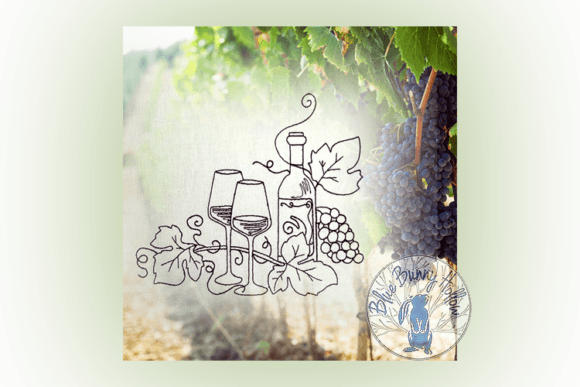
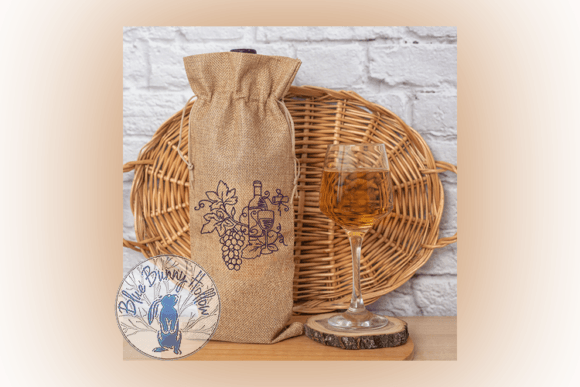
The moment I loaded the digital embroidery file into my software, the mood of Wine Tasting 3 was immediately apparent. It exudes a sense of refined charm. The design features a stemmed wine glass intertwined with lush grapevines and succulent clusters, rendered in a delicate linework style. This aesthetic is neither overly playful nor strictly modern; it sits comfortably in the realm of classic and romantic. For a personalized gift, this emotional appeal is vital. It feels handmade and thoughtful, which is exactly what customers are looking for when they commission custom work.
The intricacy of the grapevines suggests a high level of detail, which can be a double-edged sword in embroidery. However, the linework approach keeps the stitch count manageable while maintaining visual interest. It feels sweet yet sophisticated, making it versatile enough for various demographics, from young couples celebrating an engagement to mature wine enthusiasts appreciating a fine vintage.
Versatility Across Product Categories
One of the strongest aspects of Wine Tasting 3 is its adaptability. As a designer, I am always looking for patterns that can serve multiple product lines. This design shines in several key areas:
- Kitchen and Dining: An embroidered towel or apron featuring this motif becomes an instant heirloom. The wine theme fits naturally here, adding a touch of bistro-style elegance to everyday items.
- Wedding and Anniversary Gifts: For wedding gift designers, this pattern is a standout. It works beautifully on pillow covers or table runners for reception decor. The romantic symbolism of the vine and glass aligns perfectly with themes of growth and celebration.
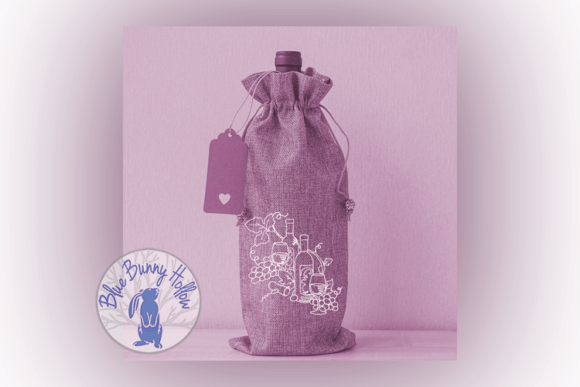
- Home Decor: Imagine this design on a tote bag or a cushion. The linear nature of the artwork allows it to scale well, making it suitable for both small accents and larger statement pieces like blanket embroidery projects.
- Nursery and Baby Items: While wine might seem adult-oriented, the grapevine element is soft and organic. With appropriate color choices—such as soft greens and purples—it can be adapted for baby embroidery on nursery items, though one must be mindful of the context.
For an Etsy seller or small shop owner, having a single embroidery file that can generate such a diverse range of handmade products is invaluable. It allows for cohesive branding across different categories without needing to purchase dozens of separate designs.
Technical Considerations and Fabric Choices
While the visual appeal is strong, the technical execution requires careful planning. Linework designs rely heavily on precision. When testing Wine Tasting 3, I found that fabric texture plays a significant role in the final outcome. On smooth cotton or linen, the lines remain crisp and defined. However, on textured fabrics like thick terry cloth towels or heavy canvas, some of the finer details of the grapevines may get lost.
I recommend using a cut-away stabilizer for stretchy fabrics, such as those used in baby clothes or fitted tote bags, to prevent puckering. For woven fabrics like pillow covers or aprons, a tear-away stabilizer usually suffices, but always test on scrap fabric first. The stitch density appears moderate, which is good for durability, but you must ensure your machine tension is calibrated correctly to avoid thread breaks in the thinner vine sections.
Another critical factor is thread color contrast. Since this is a linework design, the choice of thread against the fabric background determines readability. On dark fabric, use light or metallic threads to make the wine glass and vines pop. On light fabric, deep burgundies, forest greens, or navy blues will provide the necessary definition. Always create a printable mockup or stitch out a sample on both light and dark swatches before committing to a full production run.
Navigating Delicate Details
There are specific scenarios where Wine Tasting 3 should be used with caution. The delicate nature of the linework means it may not hold up well on curved surfaces if the hoop size is too small relative to the design. Ensure you confirm the required hoop size before purchasing or stitching. If the design is scaled down too much for small items like baby socks or petite handkerchiefs, the intricate details of the succulent grapes may merge together, losing their definition.
Additionally, consider the end-use of the product. Items that require frequent washing, such as kitchen towels or baby blankets, need robust stitching. While linework is elegant, it can be more prone to snagging than satin-stitched fills. Advising customers on gentle care instructions can help maintain the integrity of the custom embroidery over time.
Enhancing Giftability and Perceived Value
From a business perspective, Wine Tasting 3 significantly boosts the perceived value of a product. Customers are not just buying a towel or a bag; they are buying an experience and an emotion. The artistic quality of the design elevates a simple item into a personalized gift that feels curated and special. This emotional connection drives buyer engagement and encourages social sharing, which is essential for growing a small business.
When photographing the finished product, the intricate lines catch the light beautifully, adding depth to your product images. This visual appeal can lead to higher click-through rates on online listings. Whether you are creating a wedding keepsake or a custom tote for a wine tour, the design communicates a level of craftsmanship that builds customer trust.
Final Recommendations for Makers
Before integrating Wine Tasting 3 into your catalog, there are a few final steps to ensure success. First, verify the commercial licensing terms associated with the digital embroidery file. As a small shop product, you need to be certain that you have the rights to sell finished items made with this design. Second, check the stitch density and file format compatibility with your specific machine model.
Finally, treat each project as a unique piece of art. Take the time to select high-quality threads that complement the wine theme—think rich merlots, deep chardonnays, and leafy greens. By combining this exquisite design with thoughtful material choices and precise stitching, you can create memorable handmade products that resonate with your customers. Wine Tasting 3 is not just a pattern; it is a tool for storytelling through embroidery, perfect for those who appreciate the art of wine and the craft of creation.