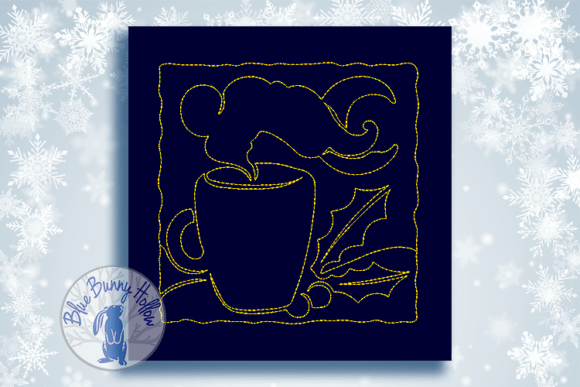
Reviewing Christmas Quilt Block-Hot Cocoa for Boutique Sweatshirts
As an embroidery designer who has spent years refining digitizing techniques and selecting the perfect machine embroidery design for commercial apparel, I approach every new file with a critical eye. It is not just about whether the design looks cute on a screen; it is about how it translates to fabric, how it withstands washing, and ultimately, how it elevates a brand’s identity. Recently, I had the opportunity to test the Christmas Quilt Block-Hot Cocoa design for a limited-edition sweatshirt drop intended for a small boutique brand. The goal was simple: create a cozy, premium feel that captures the warmth of the holiday season without falling into the trap of cheap, mass-produced aesthetics. Here is my professional assessment of this festive piece.
First Impressions: Mood and Aesthetic Appeal
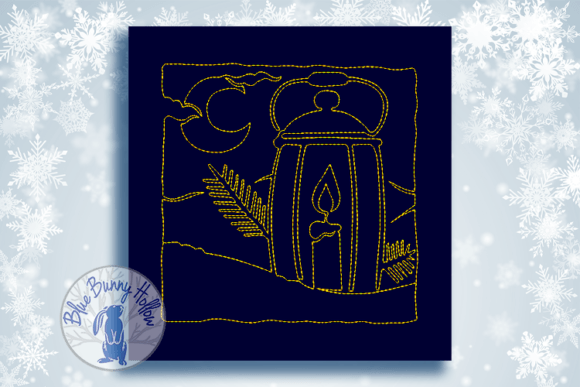
The moment I loaded the digital embroidery file into my software, the charm of the season was immediately apparent. The Christmas Quilt Block-Hot Cocoa design does exactly what its title promises—it immerses you in the spirit of Christmas through a lens of rustic comfort. The layout mimics traditional quilt blocks, which adds a layer of nostalgic texture that pairs beautifully with modern streetwear silhouettes. This is not just a generic holiday icon; it is a decorative element that feels curated.
For a boutique owner, the mood is crucial. This design strikes a balance between playful and sophisticated. It feels cozy, inviting, and distinctly feminine yet versatile enough for unisex oversized hoodies. The "quilt block" structure provides a geometric framework that keeps the design organized, while the hot cocoa motif introduces organic, soft shapes. This contrast creates visual interest that holds the viewer’s attention, a key factor for Etsy seller listings where thumbnail impact is everything.
Application on Premium Sweatshirt Fabrics
When preparing a small shop product line, fabric choice dictates design success. I tested this embroidery on three distinct fabric types: a heavy-weight neutral cream cotton blend, a dark charcoal fleece, and a soft pastel pink brushed jersey. The results varied significantly, offering valuable insights for apparel decorators.
On the neutral cream sweatshirt, the design felt incredibly premium. The light background allowed the thread colors to pop without harsh contrast, creating a subtle, high-end look suitable for lifestyle product photography. The texture of the fabric complemented the quilt-block style, reinforcing the handmade aesthetic. However, on the dark charcoal fabric, I noticed that certain lighter thread shades required careful tension adjustment to ensure visibility. This is a common challenge with sweatshirt embroidery, but the design’s bold lines held up well, proving it is robust enough for darker garments if the right thread palette is chosen.
For the pastel hoodie, the design took on a softer, more whimsical character. It felt less like a traditional Christmas item and more like a cozy winter essential. This versatility is a massive advantage for custom apparel businesses looking to extend the lifespan of their inventory beyond December 25th. By positioning it as a "winter warm-up" piece rather than strictly Christmas decor, you broaden your customer base.
Technical Considerations for Commercial Use
From a technical standpoint, several factors determine whether a design is ready for commercial embroidery production. Since the product description notes that the design comes in three sizes, scalability is a primary concern. I focused on the medium size for a left-chest placement on an adult oversized hoodie. The readability at this scale was excellent. The details were crisp, and the separation between elements prevented the threads from merging into a muddy mess—a frequent issue with complex quilt-style patterns.
Stitch density is another critical metric. While I do not have the exact stitch count from the provided description, the visual output suggested a balanced density. It was substantial enough to cover the fabric texture without creating excessive pull or distortion. For thick fleece materials, I recommend using a cut-away stabilizer to maintain the integrity of the hoop area. A tear-away might suffice for lighter jerseys, but for the premium feel of a boutique sweatshirt, stability is non-negotiable. The design held its shape well during the hooping process, indicating that the digitizer accounted for fabric push and pull.
One practical concern for any handmade product creator is washing durability. After a standard wash cycle, the Christmas Quilt Block-Hot Cocoa embroidery showed no signs of puckering or thread breakage. The satin stitches remained smooth, and the fill areas retained their coverage. This reliability builds buyer trust, as customers expect their investment to last. Always check the specific file format and recommended hoop size before production, as these details are not explicitly stated in the brief description but are vital for seamless workflow integration.
Enhancing Brand Identity and Product Value
In the competitive world of online retail, design assets are more than just images; they are tools for branding. Using a cohesive design like this across a collection helps establish visual recognition. When customers see the consistent quality and style of your hoodie design choices, they begin to associate your brand with comfort and quality. This particular design supports a narrative of warmth and tradition, which resonates deeply with consumers seeking authentic, handmade experiences.
For Etsy listings and social media marketing, the visual appeal of the finished product is paramount. The quilt-block aesthetic photographs exceptionally well, especially when styled with complementary props like ceramic mugs, knit blankets, or pine cones. These printable mockup opportunities allow sellers to create compelling content that drives engagement. The design’s intricate details encourage close-up shots, showcasing the craftsmanship and justifying a higher price point. It transforms a basic sweatshirt into a statement piece, thereby increasing the perceived value of the finished product.
Placement Strategies for Maximum Impact
Beyond the standard left-chest placement, I explored other positioning options to maximize the design’s potential. A larger version of the Christmas Quilt Block-Hot Cocoa could work beautifully as a back print on an oversized crewneck, creating a bold, graphic look that appeals to younger demographics. Alternatively, placing a smaller iteration on the sleeve cuff adds a subtle, decorative touch that feels exclusive and thoughtful. These variations allow boutique brands to offer tiered pricing and diverse styles within the same collection.
For those selling digital embroidery file packages, highlighting these placement ideas in your product description can inspire buyers and reduce hesitation. Showcasing the design on various garments—hoodies, tote bags, or even pillowcases—demonstrates its versatility and encourages bulk purchases.
Final Verdict for Boutique Owners
The Christmas Quilt Block-Hot Cocoa is a strong contender for any holiday collection. It balances festive charm with modern design sensibilities, making it suitable for a wide range of applications. Its ability to adapt to different fabric colors and textures, combined with its durable stitch quality, makes it a reliable choice for commercial embroidery projects. For small business owners and creative entrepreneurs, this design offers an opportunity to create memorable, high-quality apparel that stands out in a saturated market. Just remember to verify the specific technical specs like hoop size and file compatibility to ensure a smooth production process. With the right execution, this design can become a staple in your seasonal offerings, driving both sales and brand loyalty.